
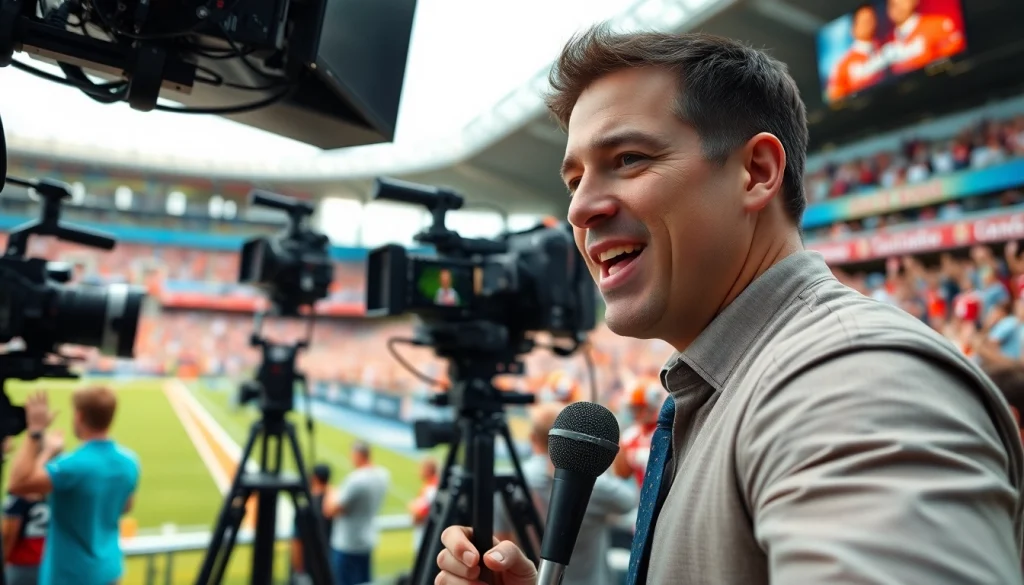

Understanding Sports Broadcasting
Sports broadcasting is the art and science of delivering live sports events, analysis, and commentary to audiences across various platforms. This field is increasingly significant in today’s digital landscape, where fans seek instant access to sports content. The elaborate system of broadcasting involves a convergence of technical skills, storytelling, and audience engagement. To grasp the full scope of Sports Broadcasting, we must delve into its evolution, key concepts, and audience demographics.
The Evolution of Sports Broadcasting
Sports broadcasting, as we know it today, has undergone considerable transformation since its inception. The first documented sports broadcast occurred in 1921 with a boxing match aired via radio. Initially, radio was the primary medium, providing commentary and live updates to fans who gathered around their radios. The transition to television in the 1950s marked a monumental shift, enhancing the visual experience of sports coverage.
Through the decades, the methods of broadcasting have continued to evolve with technological advancements. The introduction of cable television expanded the number of channels available for sports, while satellite broadcasting further allowed access to a global audience. In recent years, the rise of the internet and streaming services has introduced new ways for fans to watch their favorite teams and sports events, leading to the emergence of OTT (over-the-top) platforms that bypass traditional broadcasting channels.
Key Concepts in Sports Broadcasting
At its core, sports broadcasting involves several key concepts including live coverage, commentary, analysis, and distribution. Understanding these components provides insight into how broadcasters engage audiences effectively:
- Live Coverage: Delivering real-time action is the cornerstone of sports broadcasting. This demands a high level of coordination between on-field reporters, camera operators, and directors.
- Commentary: The voice that narrates the game adds depth to the viewing experience, offering expert analysis and drawing attention to key moments.
- Analysis: Post-game analysis complements live commentary by breaking down performances, strategies, and outcomes, enhancing viewers’ understanding of the sport.
- Distribution: Understanding the channels through which content is delivered—traditional vs. digital—is crucial for reaching specific audience demographics.
Target Audiences and Demographics
Sports broadcasting is inherently tied to its audience. Broadcasters analyze demographics to tailor content effectively. Key demographic factors include:
- Age: Different age groups have varying preferences for sports and the manner in which they consume content, such as traditional television, streaming, or social media platforms.
- Geography: Regional preferences play a significant role in shaping programming decisions, with certain sports being more popular in specific areas.
- Gender: Understanding gender dynamics helps in crafting targeted marketing strategies and content that resonates with different viewer groups.
Technology in Sports Broadcasting
The technological foundation of sports broadcasting cannot be overstated. From high-definition cameras to sophisticated software, technology shapes the way viewers experience sports in real-time.
Essential Equipment for Sports Broadcasting
Successful sports broadcasts rely heavily on advanced equipment. Essential tools include:
- Cameras: High-definition and 4K cameras capture action from various angles. Specialized cameras, like super slow-motion and aerial drones, enhance storytelling.
- Microphones: Properly positioned microphones ensure high-quality audio, capturing both commentary and ambient sounds during live events.
- Graphics and Animation Software: Enhancing the viewing experience through graphics overlays, score updates, and animated statistics is vital for engagement.
- Transmission Technology: Digital satellite or fiber-optic technology is crucial for delivering a seamless viewing experience across various formats.
Streaming vs. Traditional Broadcasting
The choice between streaming and traditional broadcasting has significant implications for both content producers and viewers. Traditional broadcasting, characterized by scheduled programming and reliance on cable, contrasts sharply with streaming services that offer on-demand content.
Streaming platforms provide flexibility, allowing audiences to watch their favorite sports anytime and anywhere. This shift has forced traditional broadcasters to adapt their strategies, increasingly incorporating streaming options into their offerings. With younger generations preferring mobile and digital content, understanding these delivery methods is critical for the future of sports broadcasting.
Innovations Shaping the Future
Technological innovations continue to define the trajectory of sports broadcasting. Key trends include:
- Augmented Reality (AR) and Virtual Reality (VR): These technologies enhance viewer engagement by providing immersive experiences that go beyond traditional viewing.
- Artificial Intelligence: AI algorithms analyze viewer behavior and optimize content delivery, personalizing the viewing experience.
- 5G Technology: The advent of 5G will significantly enhance streaming quality and reduce latency, improving live broadcasts and real-time interactions.
Creating Compelling Content
Engaging audiences in sports broadcasting goes beyond the game itself. Compelling content is crafted through storytelling, interactivity, and effective use of social media.
Storytelling Techniques in Sports Broadcasting
Captivating narratives elevate the broadcasting experience. Here are effective storytelling techniques:
- Character Development: Highlighting players’ backgrounds and personal stories helps fans connect on a deeper level.
- Conflict and Resolution: Every game brings tension; framing this in a narrative creates excitement and engagement.
- Multimedia Usage: Integrating video clips, graphics, and animations enriches the storytelling process by diversifying how information is presented.
Engaging Viewers through Interactive Experiences
Interactivity leads to greater viewer engagement. Activities such as live polls, Q&A sessions, and fan participation segments during broadcasts enhance the overall experience. Utilizing apps and social media platforms allows broadcasters to tap into audience feedback in real-time, connecting with fans more personally.
Utilizing Social Media for Enhanced Reach
Social media is a powerful tool in sports broadcasting, allowing for broader reach and engagement. By sharing highlights, building communities, and encouraging discussions, broadcasters create an ongoing dialogue with fans. Engaging content, such as behind-the-scenes footage or player interviews shared on platforms like Instagram and Twitter, can significantly impact viewership and loyalty.
Best Practices for Sports Broadcasters
Effective sports broadcasting also hinges on adherence to best practices that respect ethical standards, audience connection, and interview techniques.
Ethics and Responsibilities of Sports Broadcasters
Integrity and ethics are paramount in sports broadcasting. Broadcasters should strive for accuracy, avoid sensationalism, and be sensitive to current events. Transparency about sponsorships and biases builds trust with audiences, ensuring that content is respected and valued.
Connecting with Your Audience Effectively
Developing a connection with viewers requires understanding audience needs. Broadcasters should encourage feedback and actively listen to their audience. Using analytics to gauge viewership patterns helps refine content and better serve the interests of the fanbase.
Conducting Interviews and Panel Discussions
Effective interviews and discussions require preparation and active listening. Broadcasters should cultivate a relaxed atmosphere for interviewees, asking open-ended questions to elicit meaningful responses. In panel discussions, ensuring balanced participation fosters dynamic conversations among various experts, adding depth to the broadcast.
Performance Metrics and Future Trends
Evaluating the success of sports broadcasts relies on various performance metrics and keeping an eye on emerging trends.
Analyzing Viewership and Engagement Data
Viewership metrics, including ratings, demographics, and engagement statistics, provide insights into audience behavior. Tools such as Nielsen ratings, website analytics, and social media engagement statistics help broadcasters tailor content strategies to meet viewer preferences. Regularly analyzing this data enables broadcasters to adapt swiftly to changing audience dynamics.
Emerging Trends in Sports Broadcasting
Beyond the technological advances, cultural shifts also influence sports broadcasting. Trends to watch include the rise of women’s sports, increased focus on social justice issues within the context of sports, and the unique integration of eSports into traditional broadcasting strategies. Staying ahead of these trends is crucial for broadcasters aiming to capture diverse audience segments.
Preparing for the Future of Sports Broadcasting
The future of sports broadcasting is rife with potential. Broadcasters must prioritize adaptability, continually innovate content delivery, and refine audience engagement strategies. A forward-looking approach emphasizes leveraging technology, exploring new narrative techniques, and remaining attuned to emerging audience expectations.
Frequently Asked Questions
What is sports broadcasting?
Sports broadcasting is the live transmission of sporting events and related content through various media, including television, radio, and online platforms.
How has technology changed sports broadcasting?
Technology has enabled higher quality broadcasts, including HD and 4K video, as well as interactive features through smart devices and mobile apps.
What role does storytelling play in sports broadcasting?
Storytelling engages viewers, providing context and emotional connection to games, players, and events, making broadcasts more compelling.
How do broadcasters connect with their audience?
Broadcasters connect through social media, real-time interactions, and audience feedback, tailoring content to meet viewer preferences and interests.
What are current trends in sports broadcasting?
Current trends include the integration of eSports, increased focus on women’s sports, streaming services’ rise, and the use of AI to enhance audience engagement.

